English
 Français
 Español
 русский
 عربى
Green Ohm
Green Ohm
Green Ohm
Green Ohm
Green Ohm
Green Ohm
Green Ohm
Green Ohm
Green Ohm
Content
If you have spent any time in the rubber or cable industry, you will have encountered the abbreviation NBR—short for acrylonitrile butadiene rubber. It is a synthetic elastomer that has been around since the 1930s and remains one of the most widely used materials for applications where oil and fuel resistance matter. At Duosun New Materials, our daily work revolves around advanced polymer compounds for wire and cable, and we often see how NBR fits into the broader material landscape. Let us walk you through what NBR is, why it matters, and where it excels.
What Is Acrylonitrile Butadiene Rubber (NBR)?
NBR is a copolymer made from acrylonitrile (ACN) and butadiene. The ratio of these two monomers can be adjusted to tailor the final properties. Higher acrylonitrile content improves oil and chemical resistance but reduces flexibility at low temperatures; lower ACN content gives better low‑temperature performance but sacrifices some resistance to hydrocarbons. This tunability is one reason NBR appears in everything from automotive seals to industrial hoses.
The polymer is produced through emulsion polymerization, resulting in a material that can be processed by conventional rubber‑processing techniques. It is often compounded with fillers, plasticizers, and curatives to achieve specific performance targets.
Key Properties That Make NBR Indispensable
NBR’s reputation rests on several well‑known characteristics:
- Excellent oil and fuel resistance – This is the defining trait. NBR resists swelling and degradation when exposed to mineral oils, gasoline, and many solvents.
- Good abrasion resistance – It holds up well in dynamic applications where rubbing and wear occur.
- Moderate temperature range – Typical service temperature is from –30 °C to +100 °C, with some grades extending to –40 °C or +120 °C.
- High tensile strength and tear resistance – With proper compounding, NBR can deliver robust mechanical performance.
- Resistance to water and ozone – Although not as strong as some other rubbers, NBR provides adequate performance in many environments.
These qualities make NBR a workhorse for sealing and fluid‑handling components.
Common Applications of NBR
You will find NBR in a wide range of products:
- Automotive – Fuel hoses, gaskets, O‑rings, and diaphragms.
- Oil and gas – Blowout preventer seals, drill pipe protectors, and downhole packers.
- Industrial machinery – Roll covers, conveyor belts, and hydraulic seals.
- Aerospace – Fuel system components and seals.
- Cable sheathing – In specialized cables requiring oil resistance, NBR may be used as a jacket material.
For cable applications, however, fire safety is often a higher priority. When low smoke and halogen‑free (LSZH) performance is mandated—for example in buildings, tunnels, or mass transit—NBR alone does not suffice. That is where modern polyolefin‑based compounds step in.
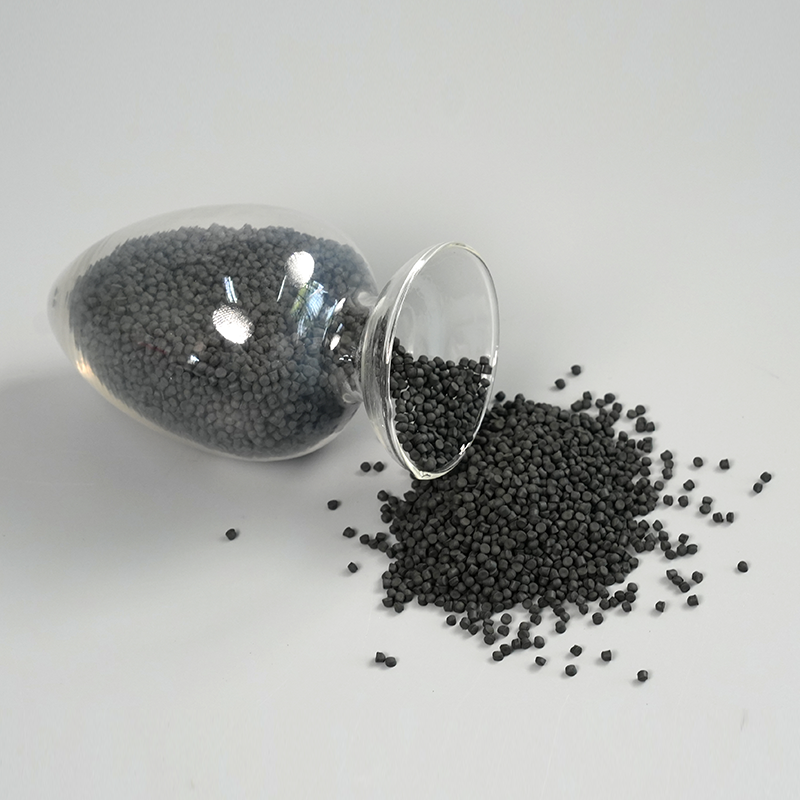
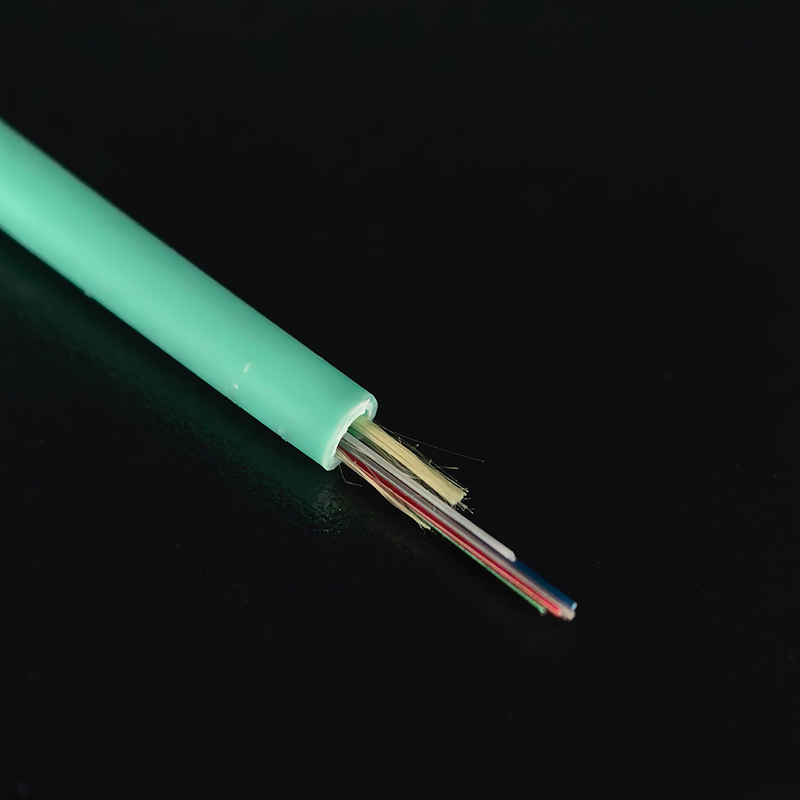
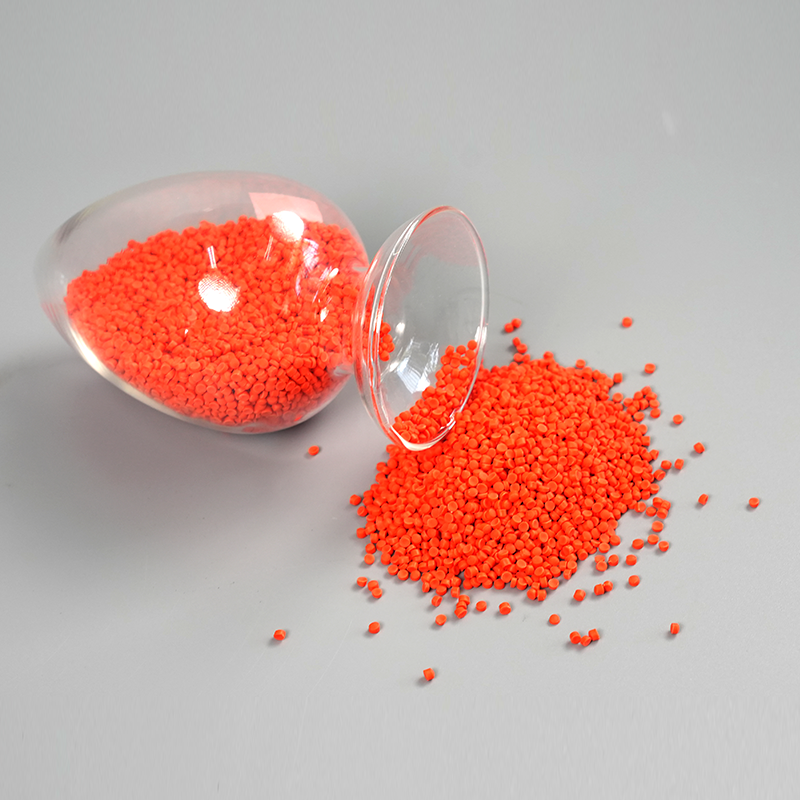 LSZH Flame Retardant Sheathing for Construction Engineering (B1/B2)This LSZH sheathing material complies with B1/B2 fire safety standards and environmental regulations, making it a reliable choice for building cables in residential, commercial, and hospital applications.View Product →
Our company develops and manufactures such LSZH compounds, covering everything from irradiation crosslinked insulation to thermoplastic sheathing. For a deeper look into the fields we serve, feel free to explore our application overview.
Modified Variants: HNBR and XNBR
Hydrogenated Nitrile Butadiene Rubber (HNBR)
HNBR is produced by hydrogenating the butadiene double bonds in NBR, yielding a saturated backbone. This dramatically improves heat and ozone resistance while retaining oil resistance. HNBR can operate continuously at temperatures up to 150 °C and is widely used in automotive timing belts, oil‑field seals, and high‑temperature hoses.
Carboxylated Nitrile Butadiene Rubber (XNBR)
XNBR introduces carboxyl groups into the polymer chain, enabling additional crosslinking through zinc oxide or other curing systems. The result is enhanced abrasion resistance, tensile strength, and modulus, at the cost of some compression set and low‑temperature flexibility. XNBR is popular in rollers, industrial pads, and heavy‑duty seals.
NBR and the Shift toward Safer Cable Materials
While NBR continues to be essential in many sectors, the cable industry has moved decisively toward low‑smoke, halogen‑free (LSZH) materials for applications where human safety and environmental protection are paramount. NBR, when burned, can produce dense smoke and corrosive by‑products. In contrast, LSZH compounds emit very little smoke and no halogens.
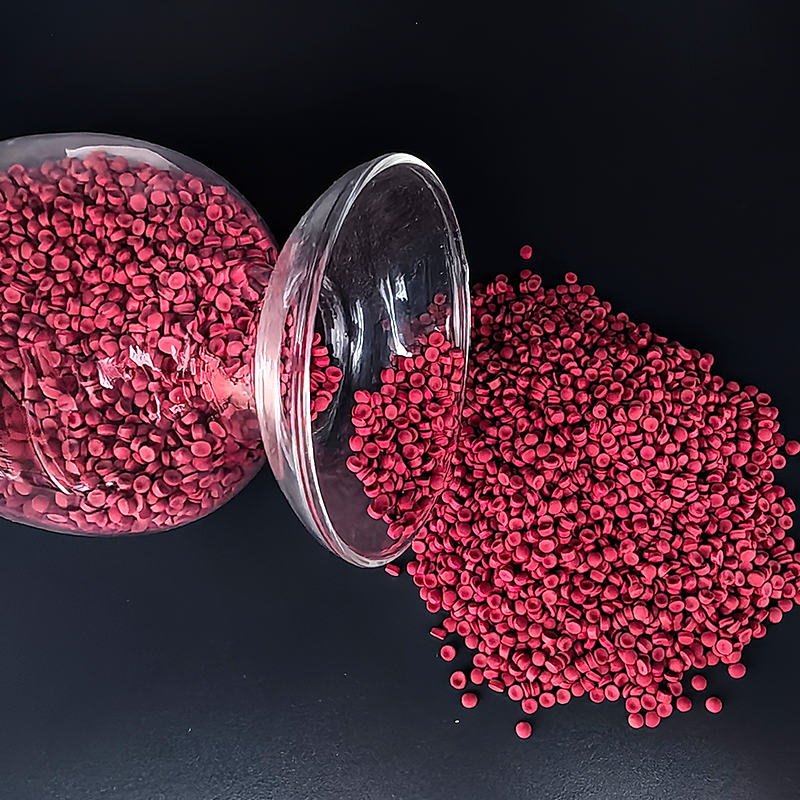
At Duosun, we focus exclusively on polyolefin‑based cable compounds. Our portfolio includes irradiation crosslinked, silane crosslinked, UV crosslinked, and thermoplastic grades that meet stringent fire standards such as B1 and B2. For insulation requiring high thermal endurance, we offer 125 °C rated products. For sheathing in demanding environments, our flame‑retardant polyethylene and LSZH sheathing materials provide reliable protection.
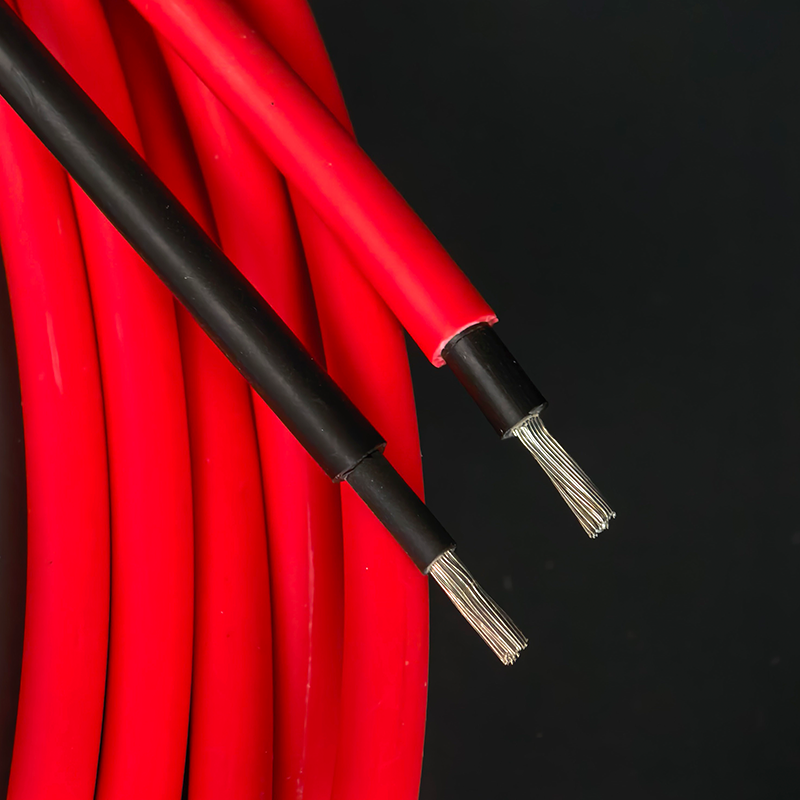
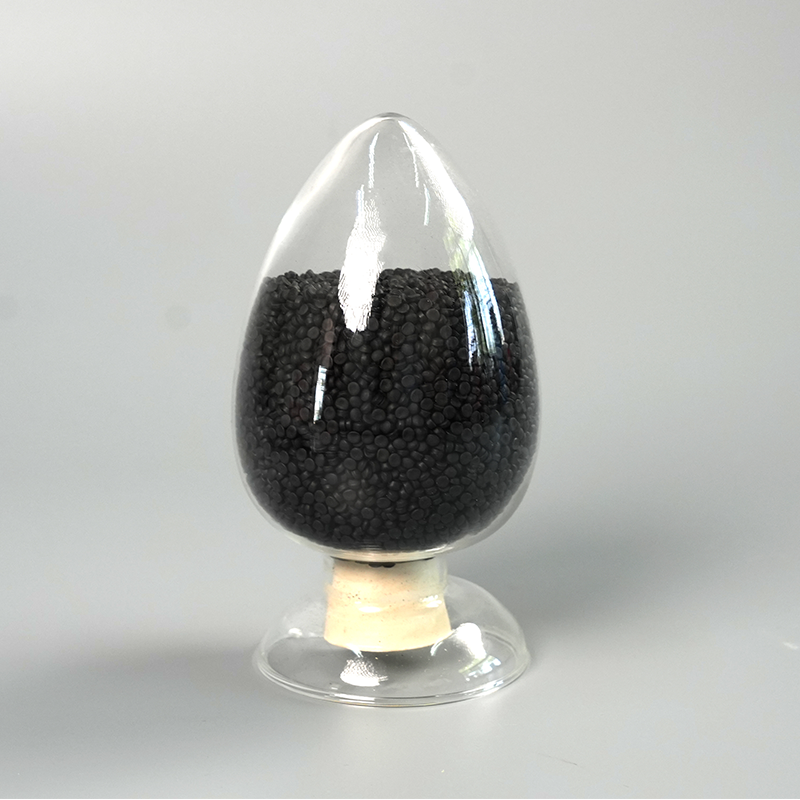 125°C Irradiation Cross-linked LSZH Insulation & Sheathing for PhotovoltaicsWith a 125°C temperature rating, UV and ozone resistance, and a 25-year outdoor lifespan, this material ensures safe and stable operation of photovoltaic cables in harsh climates.View Product →
As a company with over 10 production lines and a 3,000‑square‑meter R&D center, we understand the nuances of polymer compounding. Whether your cable design calls for flexibility, oil resistance, or fire safety, there is a suitable material solution.
Final Thoughts
Acrylonitrile butadiene rubber (NBR) has earned its place as a reliable, cost‑effective elastomer for oil‑resistant applications. Its modified versions (HNBR, XNBR) extend its reach into more demanding environments. For cable makers, however, the trend toward flame‑retardant, low‑smoke materials means that NBR is often replaced or supplemented by advanced polyolefin compounds. By understanding both the strengths of NBR and the capabilities of modern cable materials, engineers can make informed choices that balance performance, safety, and cost.
If you are developing a cable product and need expert guidance on material selection—especially regarding LSZH compounds—we welcome you to reach out. Our team of over 30 R&D professionals, including five PhDs, is ready to support your next project.