Polyolefin Cable Compounds for Safer Cable Insulation and Sheathing
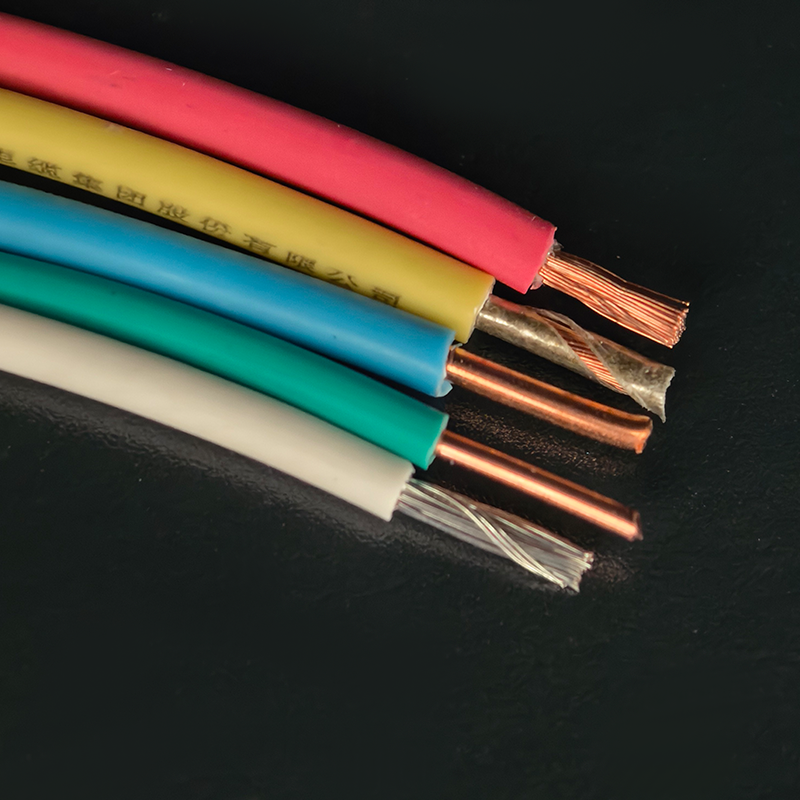
Jiangsu Duoshang New Materials Technology Co., Ltd. is a China-based manufacturer of polyolefin cable compounds. We develop and produce low-smoke, halogen-free, flame-retardant, thermoplastic and cross-linked cable materials used for insulation and sheathing across power, communication, rail transit, photovoltaic, new energy and marine cable projects.
Our cross-linked cable compounds manufacturer range is organized around two material families: LSZH Compound manufacturer and B1/B2 LSZH Cable Material supplier. Within these families we offer irradiation cross-linked, UV cross-linked, silane cross-linkable, thermoplastic and higher fire-performance grades so the compound can be matched to the cable design and the end-use environment.
Product Range and Positioning
Each material type answers a different installation condition, fire classification and production route. The table below summarizes how we position the range in projects.
| Material Family |
Positioning |
Typical Applications |
| LSZH Compound – Irradiation Cross-linked |
Electron accelerator crosslinking with high crosslink uniformity, stable temperature resistance and flame retardancy |
Rail transit, data centers, high-rise buildings, power grids, photovoltaic systems |
| LSZH Compound – UV Cross-linked |
Fast process, lower equipment investment, efficient for continuous small to medium cable sections |
Residential wiring, public buildings, distribution lines |
| LSZH Compound – Silane Cross-linkable |
A/B two-part system, crosslinks after extrusion, compatible with conventional insulation lines |
Construction engineering, power grids, general building cables |
| LSZH Compound – Thermoplastic |
No curing step, good extrusion cleanliness, suitable for sheathing and optical fiber tight buffer |
Communication cables, data centers, flexible cords and sheathing |
| B1/B2 LSZH Cable Material |
Higher reaction-to-fire performance: lower heat release, reduced smoke toxicity, no flaming droplets |
High-occupancy buildings, hospitals, transit, underground spaces, power engineering |
LSZH Compound: Insulation and Sheathing Grades
Our LSZH Compound manufacturer family covers four processing routes. We use the required crosslinking method to select the right formulation, because the production line and cable type determine which material chemistry will work reliably.
- Irradiation cross-linked: Electron accelerator crosslinking gives a uniform three-dimensional network. We supply accelerator irradiation grades for construction engineering, power grids, rail transit and 125°C photovoltaic insulation and sheathing. Explore our irradiation cross-linked LSZH compounds.
- UV cross-linked: UV irradiation provides a fast crosslinking route for small and medium section cables. These compounds suit residential wiring and conventional power distribution lines where line efficiency and lower processing cost are priorities.
- Silane cross-linkable: The A/B system crosslinks after extrusion using moisture, allowing existing thermoplastic lines to produce cross-linked insulation without an accelerator. Silane grades are applied in construction engineering and power grid cables.
- Thermoplastic LSZH sheathing: Thermoplastic compounds are used without a curing step for outer jackets and optical fiber tight-buffered materials. They are a practical choice for communication cables, data center cabling and general LSZH sheathing.
B1/B2 LSZH Cable Material for Higher Fire Requirements
For projects that require controlled reaction to fire, B1 and B2 LSZH grades go beyond conventional halogen-free performance. The material is formulated to limit heat release, reduce smoke density and toxicity, minimize corrosive emissions and avoid flaming droplets during combustion. These properties make it suitable for high-occupancy buildings, hospitals, data centers, transit systems and underground spaces.
The B1/B2 LSZH Cable Material supplier range covers both insulation and sheathing formulations. It includes silane cross-linked, accelerator irradiation cross-linked and UV irradiation cross-linked grades for construction engineering and power grid applications, allowing the cable maker to choose the solution that matches the available production platform.
Material and Specification Fit
We select the starting polymer, flame-retardant package and crosslinking system based on the working point of the cable, the production line and the fire or environmental specification the project must meet. The following parameters define the correct material fit:
- Flame retardancy and fire classification – oxygen index, heat release, flame spread and dripping behavior.
- Smoke and gas properties – smoke density, halogen acid gas content, pH and conductivity, toxicity index.
- Temperature rating – continuous and short-circuit service temperatures, including 125°C grades for photovoltaic systems.
- Mechanical balance – tensile strength, elongation, flexibility, abrasion and crack resistance for installation and service life.
- Processing route – thermoplastic extrusion, silane A/B mixing, UV line or electron accelerator irradiation.
Our proposal states the material grade, recommended processing window and the property targets we can verify during sample evaluation.
Engineering, Quality and Project Support
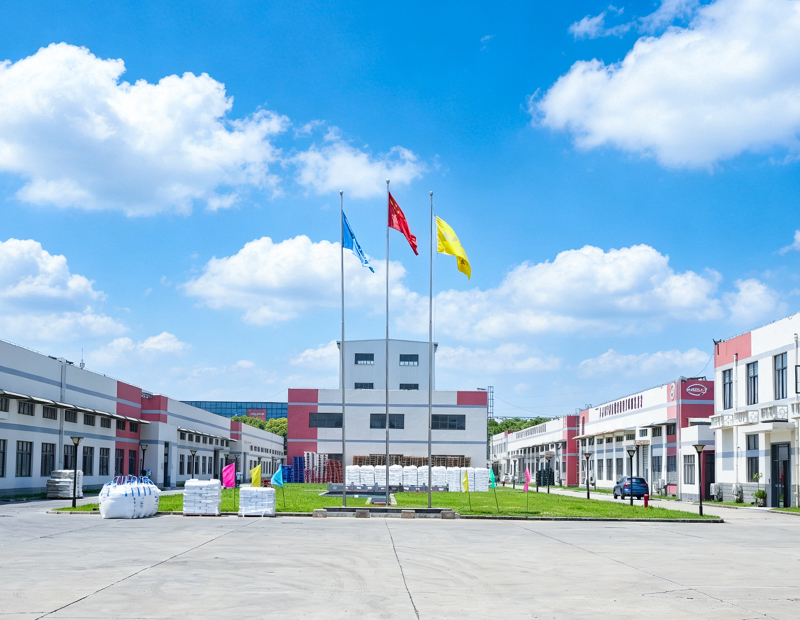
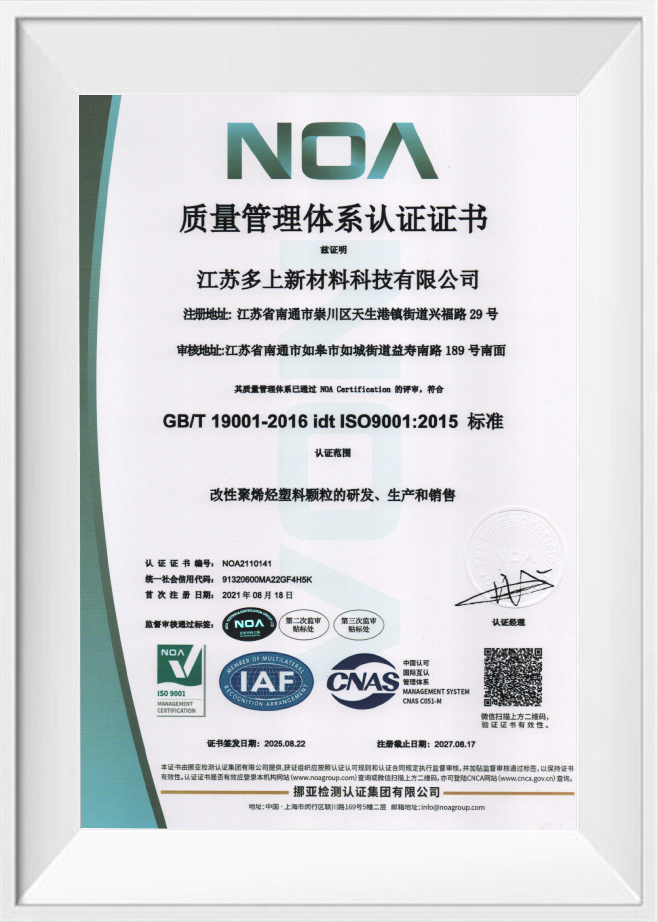
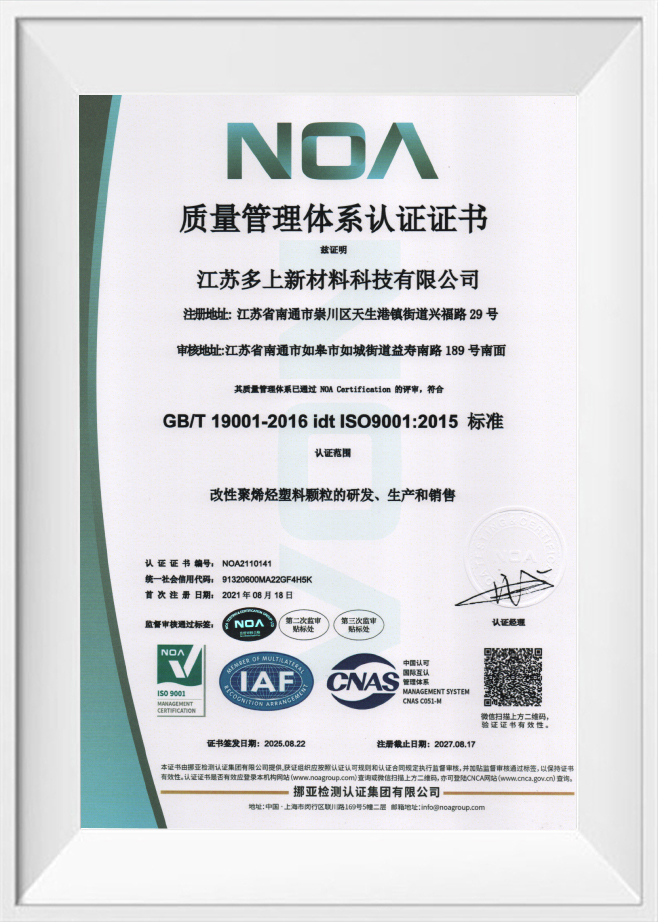
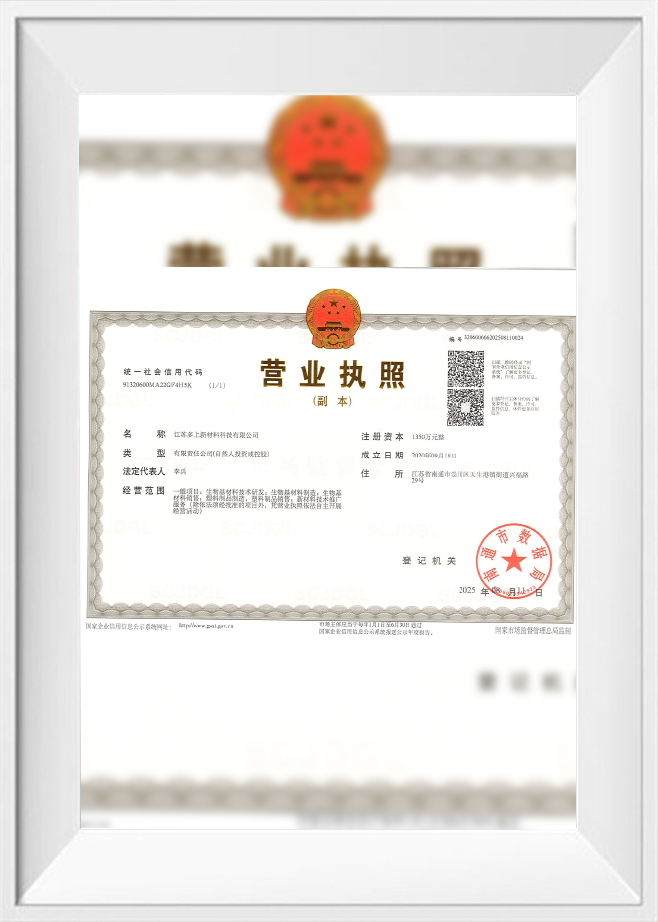
We operate two production bases with more than ten polyolefin cable compound lines and an R&D center that supports formula design, material analysis, process testing and product optimization. The company follows ISO 9001 quality management system requirements, and the R&D center applies 6S management to keep development and testing consistent.
For overseas projects, we can supply TDS, SDS, product specifications and relevant test and certification documents needed for material evaluation. Documentation is prepared around the specific compound being quoted rather than provided as a generic company profile.
- Formula development for new cable constructions.
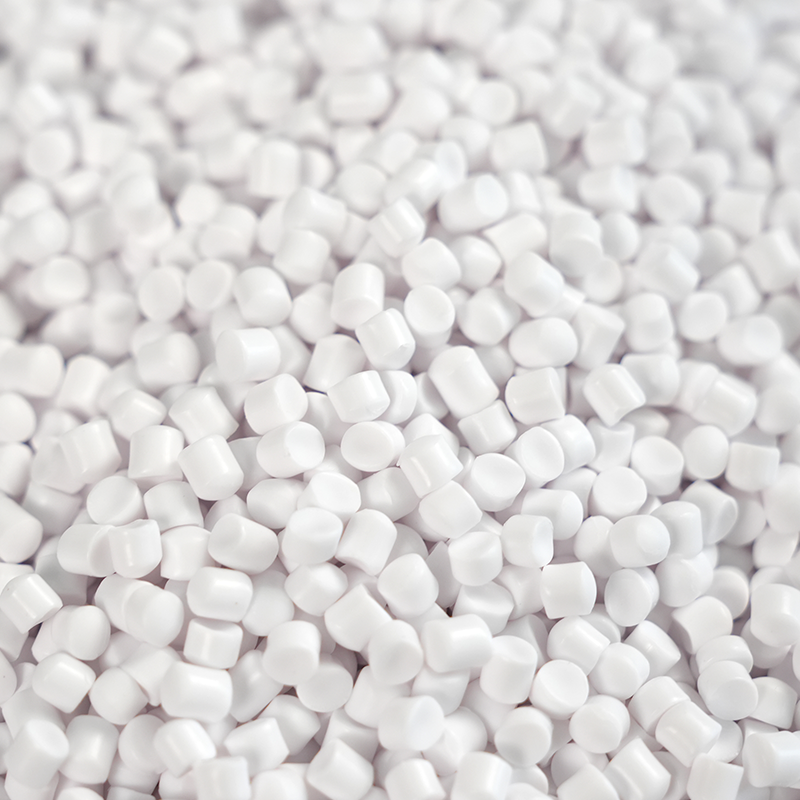
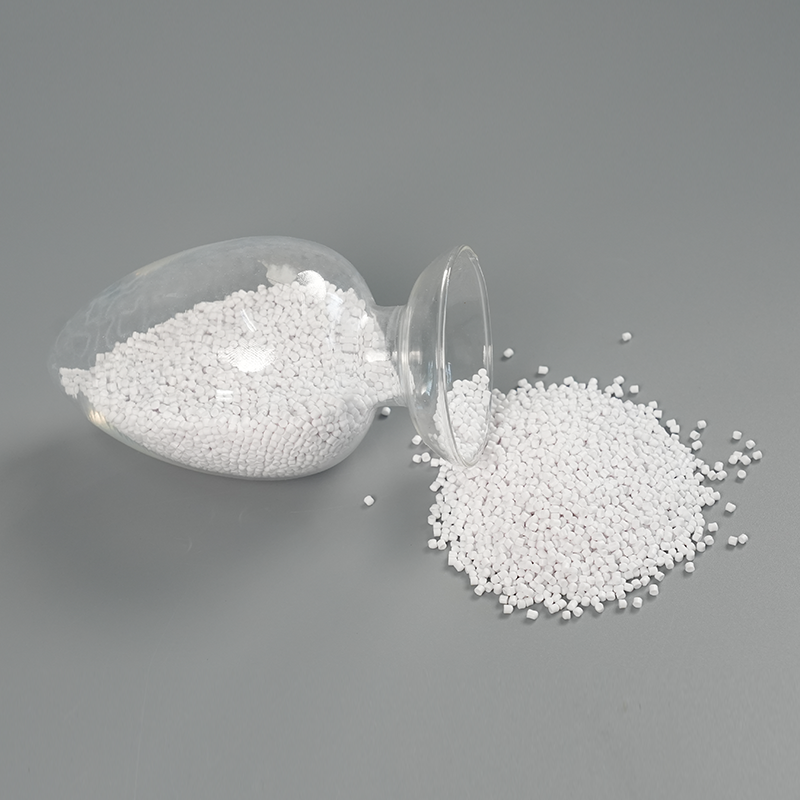
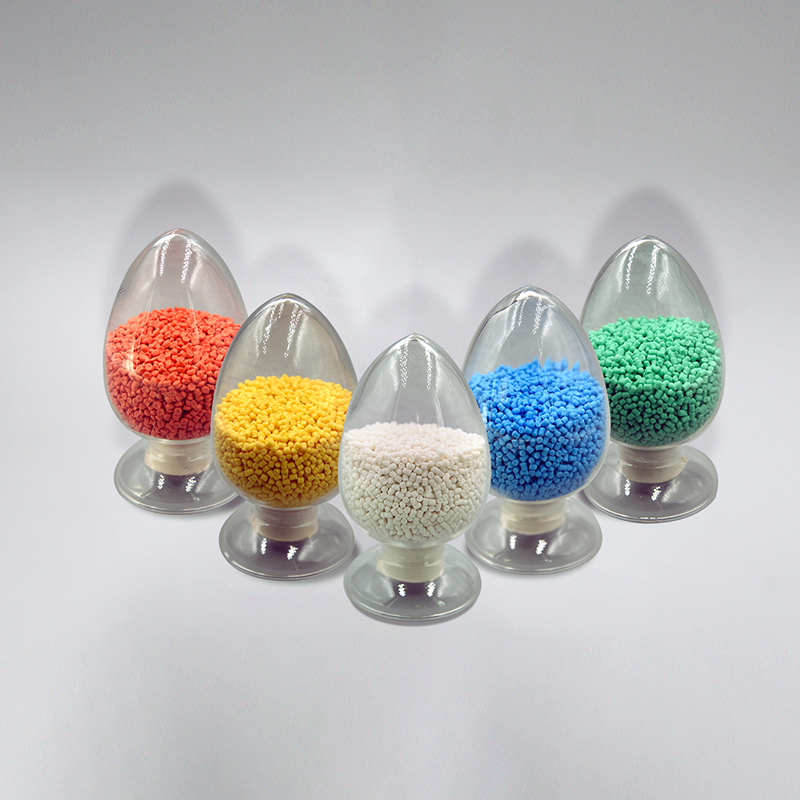
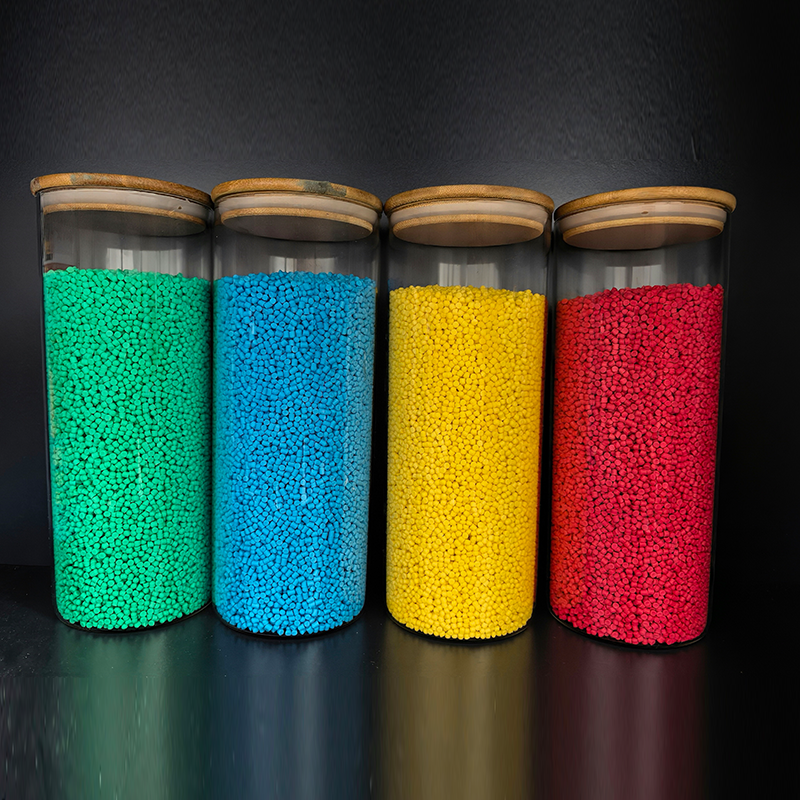
- Adjustment of color, flame-retardant package and crosslinking system.
- R&D process testing to support sample evaluation before series production.
- Batch consistency controls across the production bases.
Information We Use to Configure Your Solution
To prepare a suitable configuration and quotation, we need the cable design and operating conditions rather than only a compound name. Please include the following in your enquiry:
- Application field and cable type – construction, power grid, rail transit, photovoltaic, wind power, communication or marine.
- Layer to be filled – insulation, inner sheath, outer sheath or optical fiber tight buffer.
- Conductor material, cross-section and overall cable structure.
- Rated voltage and temperature class.
- Required fire classification and reference standard.
- Crosslinking platform available on the line – thermoplastic, silane A/B, UV or electron accelerator.
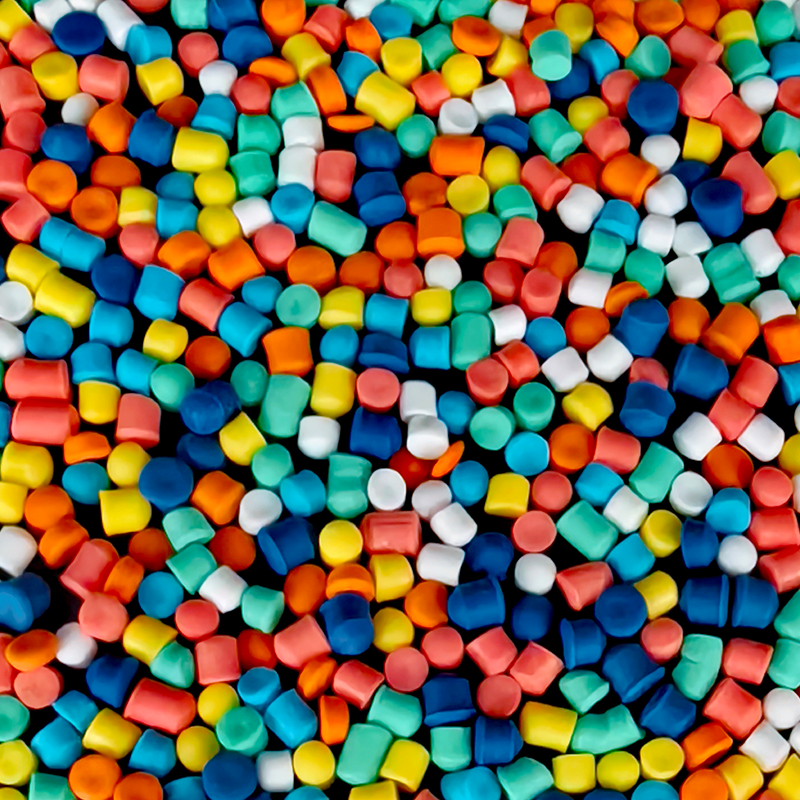
- Color, pellet form and packaging requirements.
- Target volume, delivery destination and project timeline.
Frequently Asked Questions
What information does Duoshang need to recommend an LSZH compound?
We need the cable type, layer to be filled, voltage and temperature class, fire classification, available crosslinking platform and target processing speed. With these inputs we match the formulation to the line and application.
What are the differences between irradiation, UV and silane cross-linked LSZH compounds?
Irradiation crosslinking uses an electron accelerator for high crosslink uniformity; UV crosslinking is faster and suited to small and medium sections; silane crosslinkable systems crosslink after extrusion with an A/B component. The right choice depends on the line equipment and the cable’s service requirements.
Can Duoshang supply both insulation and sheathing materials?
Yes. Our LSZH range includes cross-linked and thermoplastic insulation compounds as well as thermoplastic sheathing compounds. The B1/B2 range also covers insulation and sheathing formulations for higher fire-performance projects.
What does B1/B2 LSZH cable material mean?
B1 and B2 grades are designed for stricter reaction-to-fire requirements: lower heat release, reduced smoke toxicity, minimized corrosive emissions and no flaming droplets. They are typically specified for high-occupancy buildings, transit systems and underground installations.
What documentation can be provided for overseas material evaluation?
We can provide TDS, SDS, product specifications and relevant test and certification documents required by the project. These are prepared for the specific compound to support evaluation by cable makers, certifiers and end customers.

 English
 Français
 Español
 русский
 عربى