Low Smoke, Zero Halogen Compounds for Safer Cable Projects
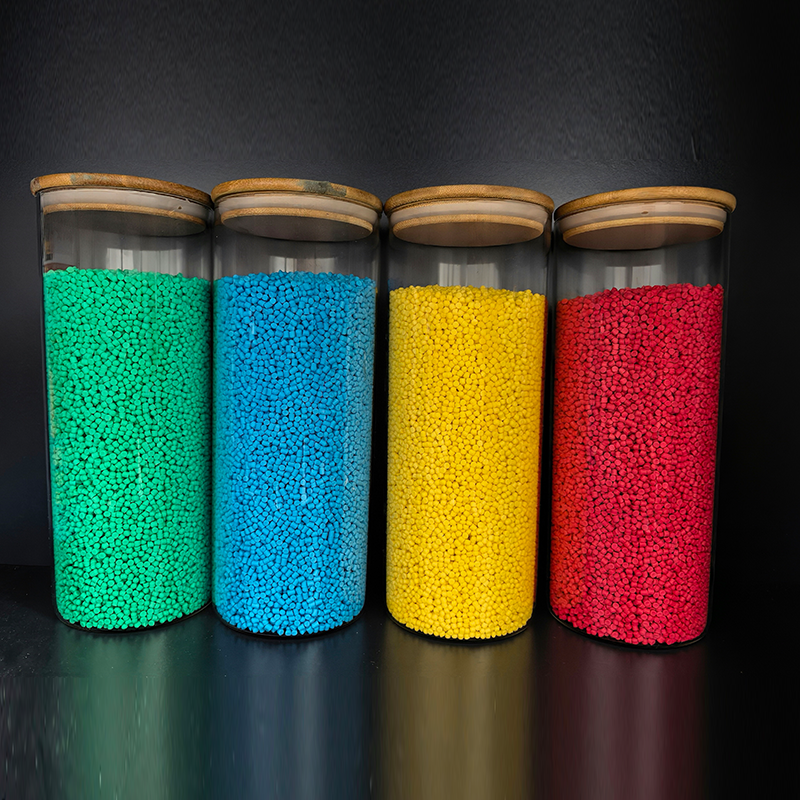
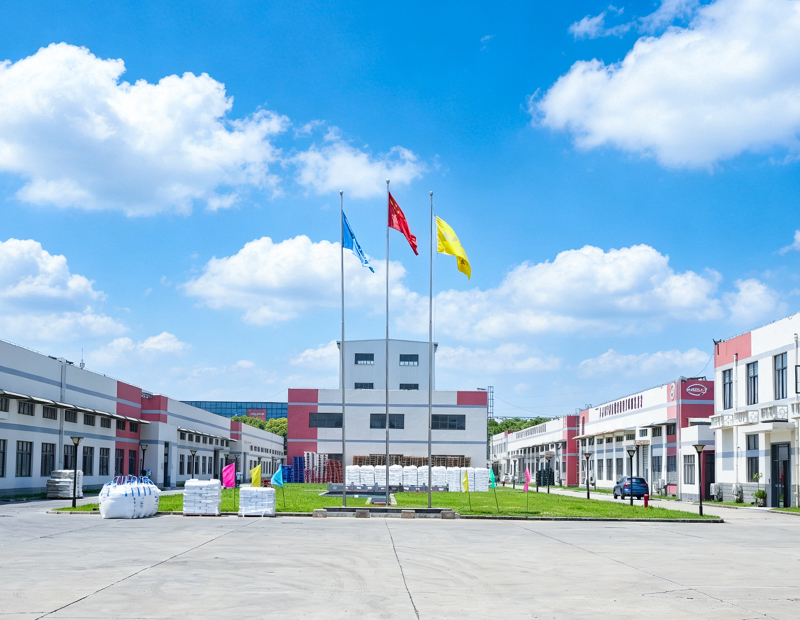
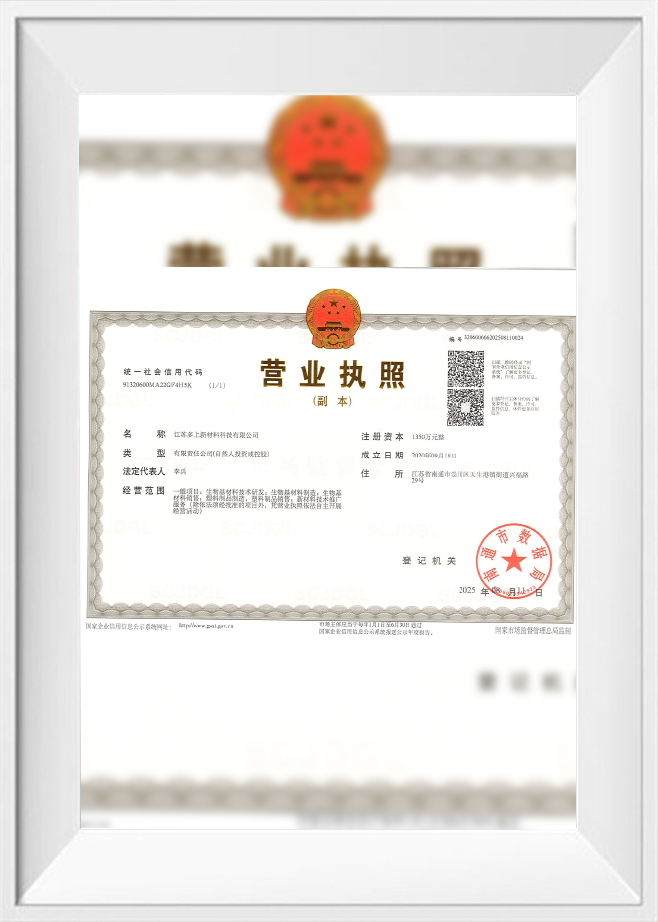
Jiangsu Duoshang New Materials Technology Co., Ltd. is a China-based LSZH Compound manufacturer specializing in polyolefin cable compounds for insulation and sheathing. Our range covers irradiation cross-linked, UV cross-linked, silane cross-linkable and thermoplastic LSZH sheathing grades, supported by a 3,000-square-meter R&D center and two production bases with more than 10 dedicated compounding lines.
LSZH materials are formulated without halogens or heavy metals, so combustion produces low smoke and no corrosive halogen acid gas. That makes them suitable for high-occupancy buildings, tunnels, data centers, rail transit, photovoltaic plants, marine cable and power distribution circuits where fire safety and evacuation time are primary design constraints.
Our LSZH Compound Range
We supply the LSZH family in four principal configurations. Each is matched to a different crosslinking or extrusion route so cable makers can integrate the material without unnecessary line investment.
Irradiation Cross-linked LSZH Compound
Electron accelerator crosslinking produces a uniform three-dimensional network after extrusion. These grades are used for construction engineering, power grid, rail transit and 125°C photovoltaic insulation and sheathing applications requiring stable high-temperature performance.
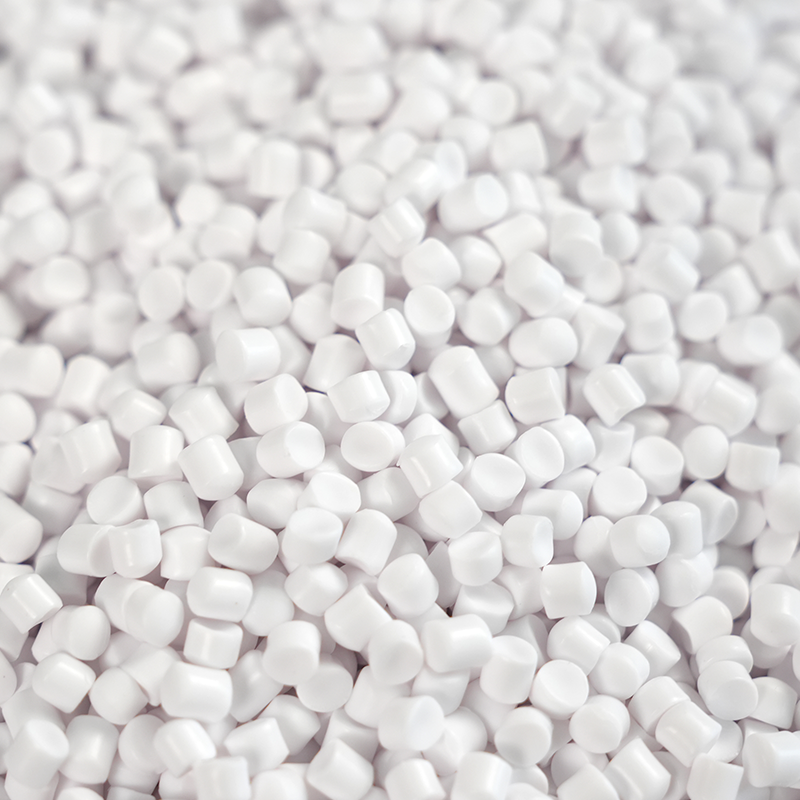
Irradiation Cross-linked LSZH Compound
UV Crosslinked LSZH Compound
Ultraviolet crosslinking gives a fast production route for small- and medium-section cables. These compounds are a practical fit for residential wiring and conventional distribution lines where line speed and processing cost are important.
Silane Cross-linkable LSZH Compound
Silane cross-linkable systems are supplied in A/B form, mixed and extruded on standard equipment, then crosslinked in the finished cable. This route suits long cable lengths and varied cross-sections without requiring an irradiation source.
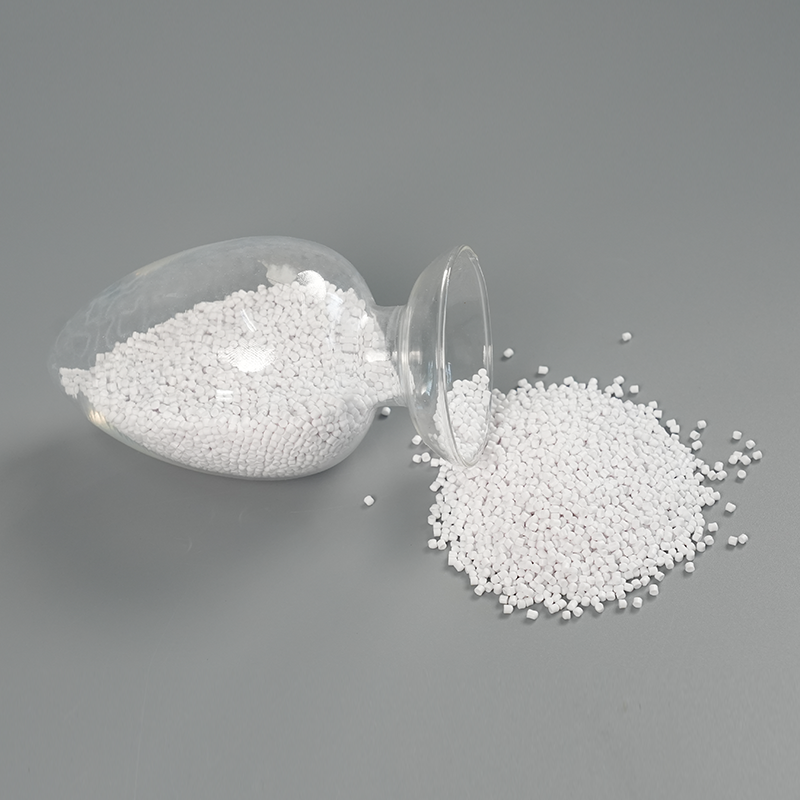
Silane Cross-linkable LSZH Compound
Thermoplastic LSZH Sheathing Compound
Thermoplastic LSZH sheathing grades process without a crosslinking step. They cover flame-retardant PE sheathing for wind power, tight-buffered materials for optical fiber, and low-smoke sheathing for power grid cable.
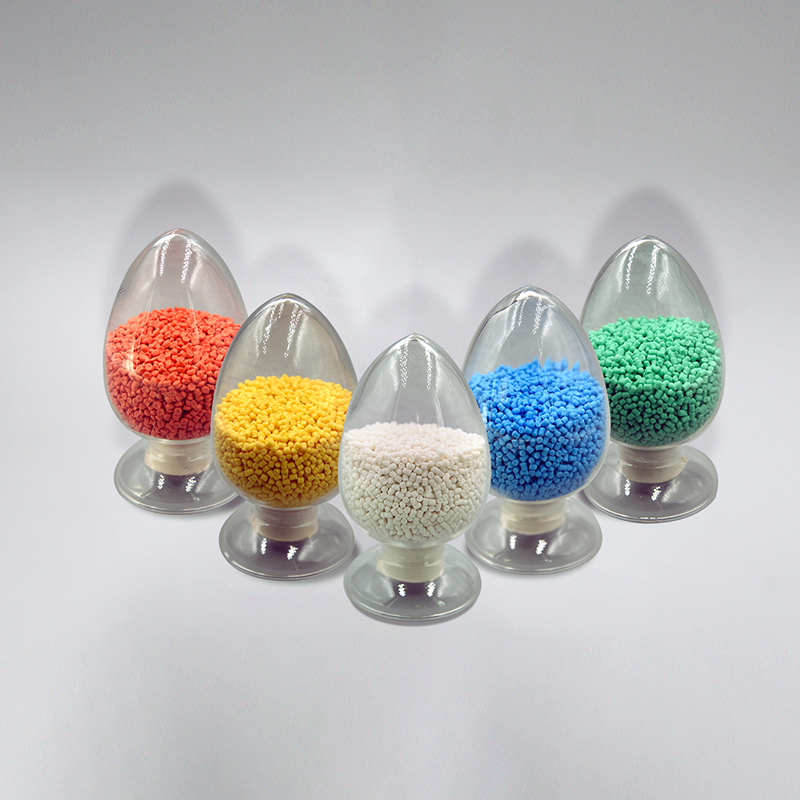
Thermoplastic LSZH Sheathing Compound
Cross-linking Route and Application Fit
| LSZH Family |
Crosslinking / Form |
Typical Cable Position |
Common Project Fit |
| Irradiation Cross-linked LSZH |
Electron accelerator |
Insulation and sheathing |
Subway tunnels, data centers, high-rise buildings, rail transit, photovoltaic |
| UV Crosslinked LSZH |
UV irradiation |
Insulation |
Residential wiring, small and medium distribution lines |
| Silane Cross-linkable LSZH |
Silane A/B, crosslinks after extrusion |
Insulation and sheathing |
Construction engineering, power grids, photovoltaic, long-length production |
| Thermoplastic LSZH Sheathing |
Thermoplastic extrusion |
Sheathing, tight-buffer |
Optical fiber, wind power, general low-smoke sheathing |
Critical Specifications and Acceptance Testing
Project fit is confirmed by evaluating the LSZH grade against the cable standard and service conditions. The main parameters we review are:
- Flame retardancy: single-wire or bunched flame spread per IEC 60332-1/-3 or the relevant project standard.
- Smoke density: light transmittance measured to IEC 61034, with the required minimum set by the project or cable specification.
- Halogen acid gas: pH and conductivity measured to IEC 60754; LSZH compounds are designed to avoid corrosive halogen release.
- Mechanical and thermal performance: tensile strength, elongation at break, thermal aging and, for cross-linked grades, hot set.
- Electrical performance: volume resistivity and dielectric strength for insulation compounds.
For B1/B2 projects, we additionally review heat release, smoke production, toxicity and flaming droplet behavior to match the target classification.
Engineering Value and Configuration Approach
We configure the LSZH grade around the cable design, processing method and end-use requirement. The same base polymer system can be adjusted for insulation or sheathing, for thermoplastic or crosslinked performance, and for different temperature classes.
- Cable position: insulation, inner sheath, outer sheath or tight-buffered optical fiber layer.
- Crosslinking route: electron accelerator, UV line, silane mixing/extrusion, or thermoplastic processing.
- Fire class and standard: single-source or bunched flame spread, CPR class, smoke density and acidity limits.
- Mechanical and electrical targets: tensile strength, elongation, thermal aging, hot set, volume resistivity and dielectric strength.
- Service environment: outdoor UV, wet installations, high ambient temperature, chemical exposure and mechanical abrasion.
Quality Assurance and Project Support
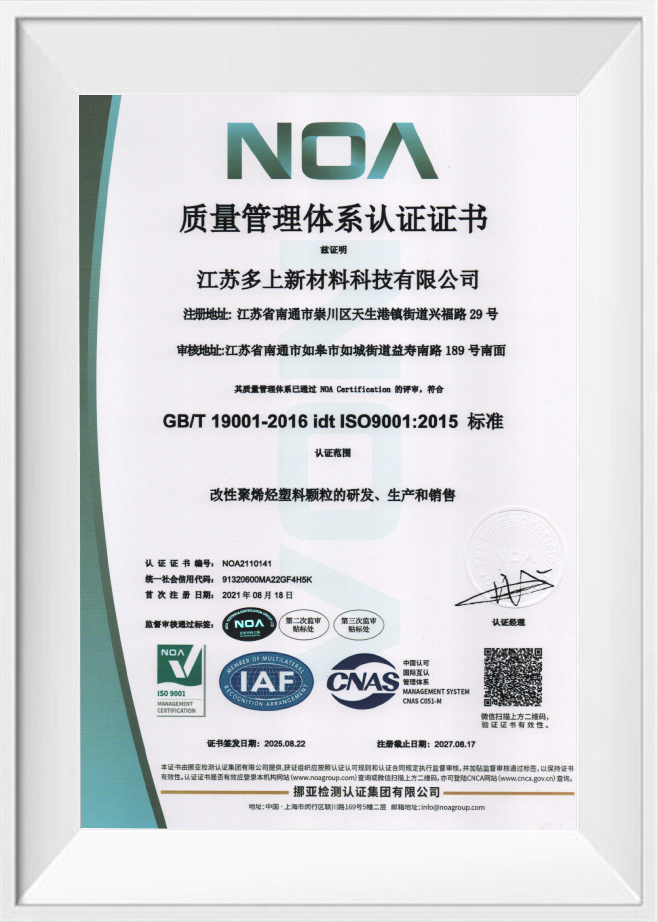
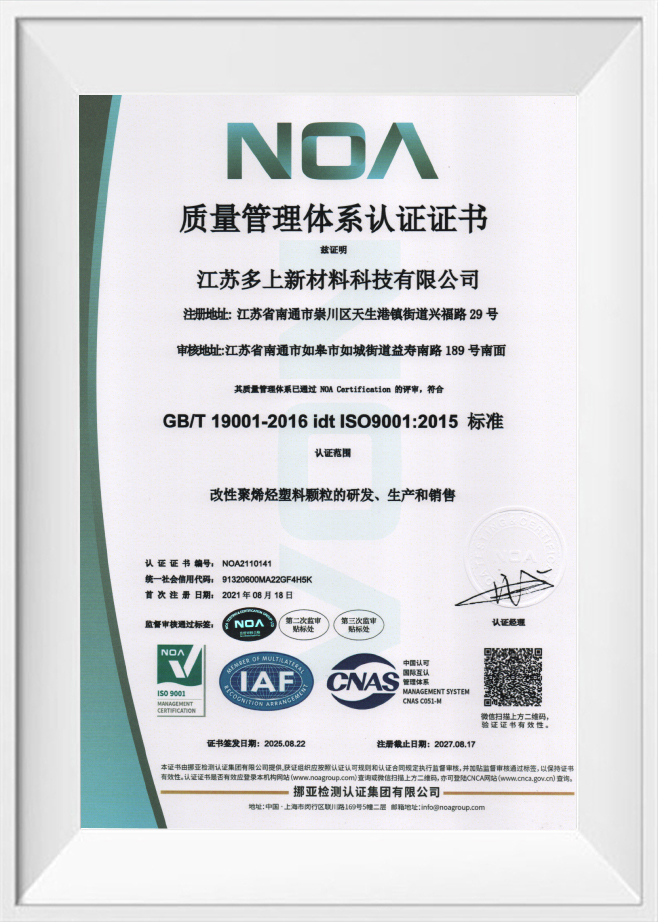
Our R&D center operates under 6S management and complies with ISO 9001 quality management system requirements. The technical team supports formula design, material analysis, process testing and product optimization from development through delivery.
For overseas customers, we provide TDS, SDS, product specifications and the relevant test and certification documents required for project evaluation. This gives cable plants and engineering contractors a documented basis for grade approval before production.
Information We Use to Configure Your Solution
- Complete cable construction, including conductor type and cross-section, insulation or sheath wall thickness, and line speed.
- Extruder configuration: screw type, L/D ratio, temperature profile and downstream crosslinking equipment.
- Target standard or customer specification, such as GB/T 19666, IEC 60332, IEC 61034, IEC 60754, EN 50575/CPR, or a project-specific requirement.
- Required temperature class and fire classification, including B1/B2 behavior if applicable.
- Mechanical and electrical acceptance limits, including tensile, elongation, aging, hot set, resistivity and dielectric strength.
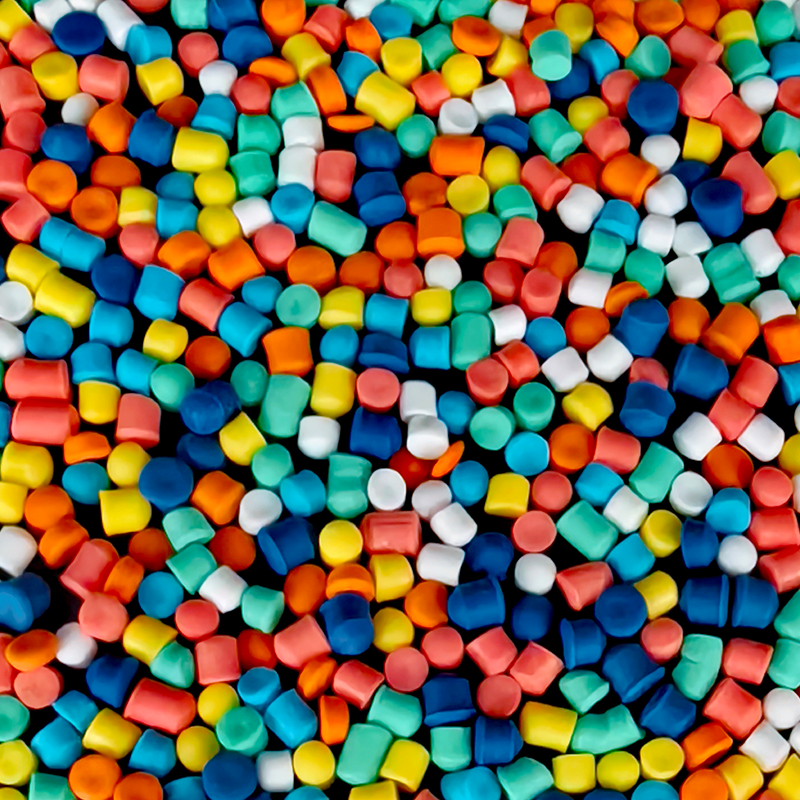
- Delivery format: pellet size, moisture-resistant packaging, labelling and documentation needs.
If the cable standard is not yet finalised, we can also start from the application description and propose a grade that matches the intended approval route.
Processing, Installation and Handling
Each LSZH family has a defined processing window. Thermoplastic sheathing grades run on conventional extruders, silane cross-linkable systems are mixed and extruded then crosslink in the finished cable, and irradiation or UV grades require the specified dose or UV intensity to achieve the required hot-set performance.
Pellets should be stored in dry, clean conditions and allowed to reach ambient temperature before opening. During cable installation, follow the cable bending radius and tension limits defined in the cable specification; LSZH sheathing is typically more rigid than PVC and should not be forced beyond its rated radius.
Frequently Asked Questions
What LSZH compound options do you supply?
We supply irradiation cross-linked, UV cross-linked, silane cross-linkable and thermoplastic LSZH sheathing compounds, plus B1/B2 LSZH cable material. The range covers insulation and sheathing for construction, power, rail, photovoltaic, wind power and optical fiber applications.
How do I choose between irradiation, UV and silane crosslinking?
Irradiation crosslinking is suitable when high crosslink uniformity and elevated temperature performance are required. UV crosslinking fits high-speed continuous production of small and medium cables. Silane crosslinking is practical when you want to crosslink on conventional extruders and produce long lengths without additional irradiation equipment.
What project information do you need for a compound recommendation?
We need the cable construction, line speed, extruder configuration, target standard, temperature class, fire rating and mechanical or electrical acceptance limits. With those, we can select or adjust the LSZH grade and provide processing guidance.
Can you provide documentation for project evaluation?
Yes. For overseas customers we provide TDS, SDS, product specifications and relevant test and certification documents as required by the project.
Are your LSZH compounds suitable for Class B1/B2 cable projects?
Yes. Our range includes B1/B2 LSZH cable material and individual insulation and sheathing grades labelled for construction engineering and power grid use. We align grade selection to the fire class and smoke or toxicity requirements of the project.

 English
 Français
 Español
 русский
 عربى