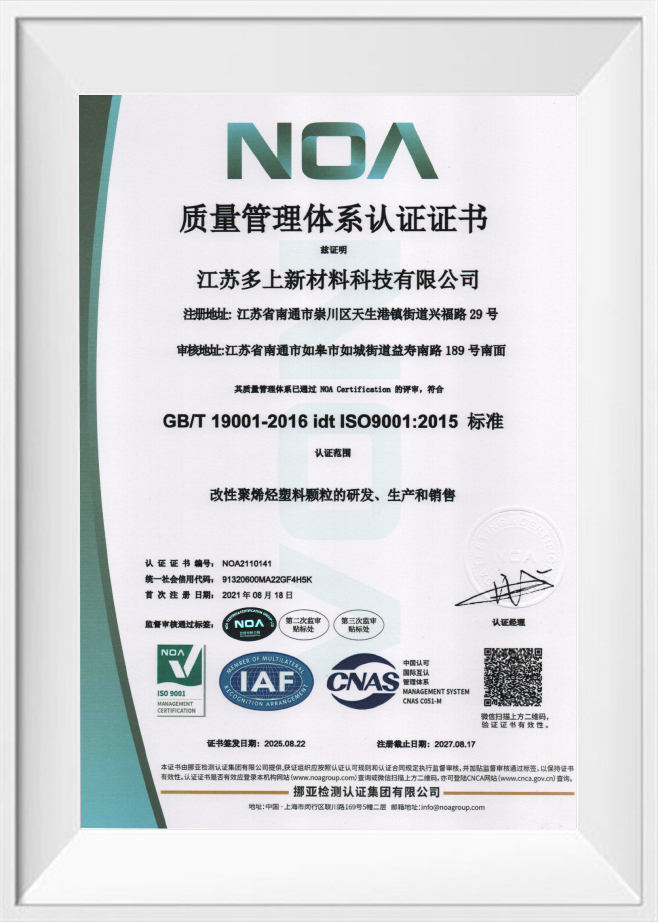
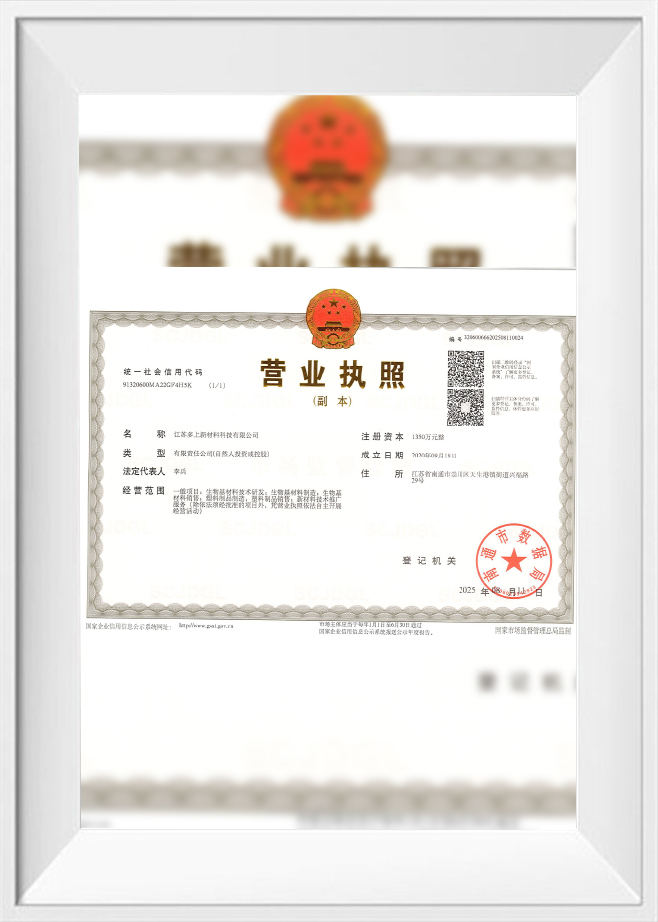
Jiangsu Duoshang New Materials Technology Co., Ltd.
Jiangsu Duoshang New Materials Technology Co., Ltd. is China
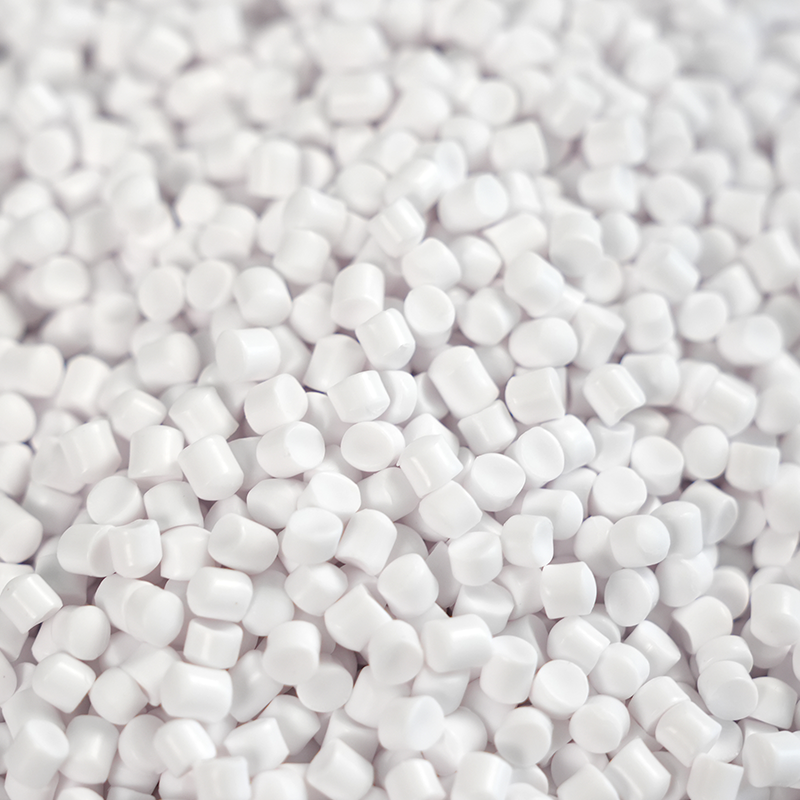
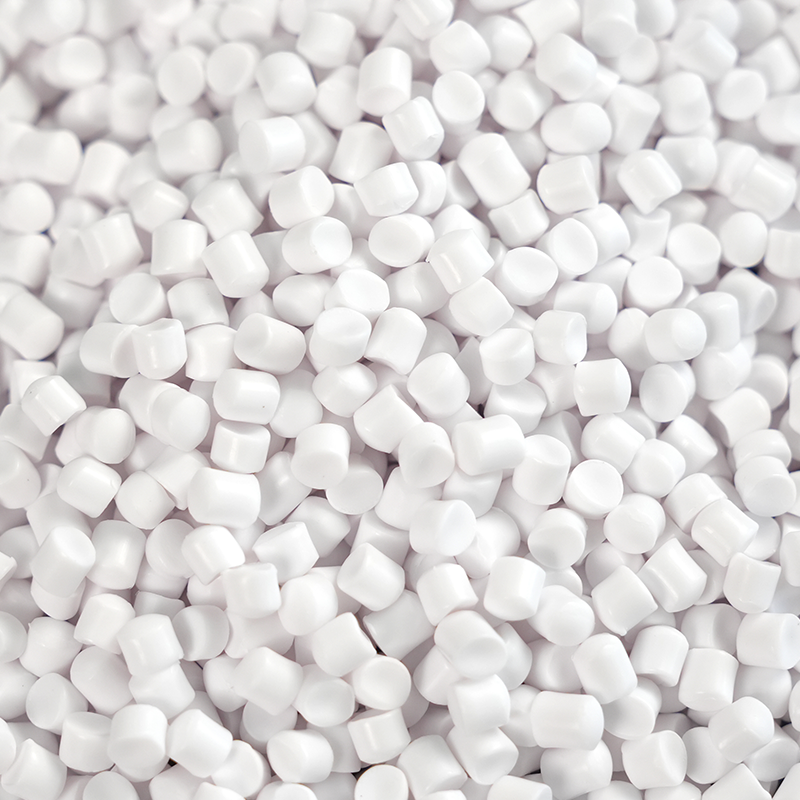
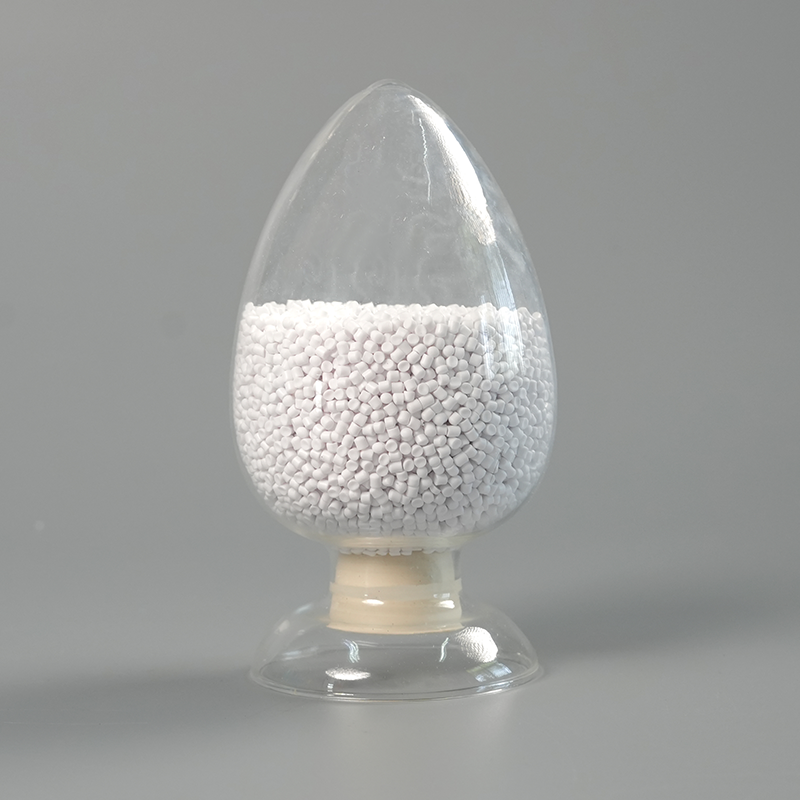
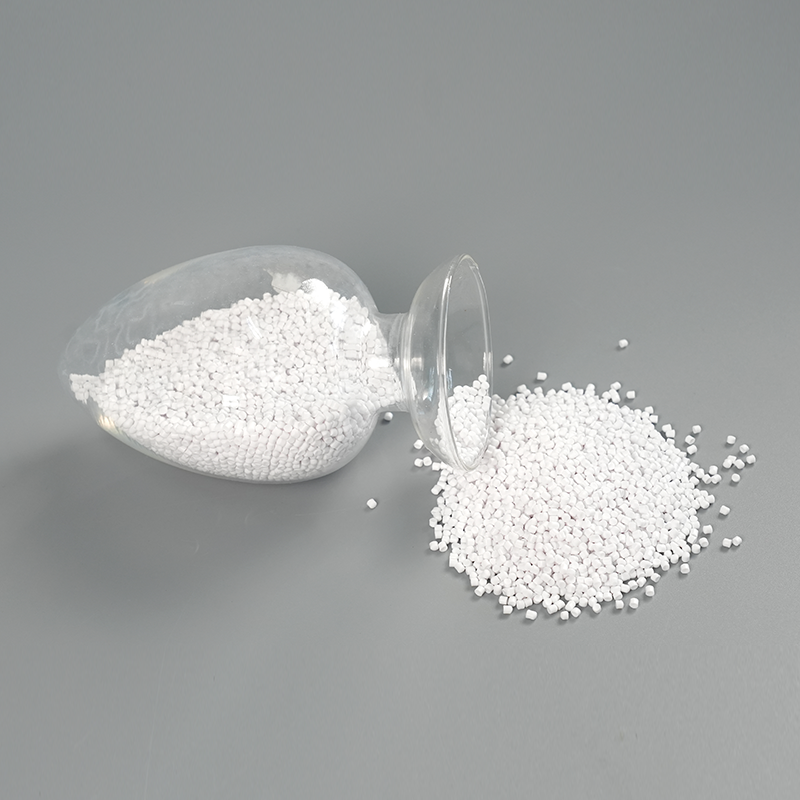
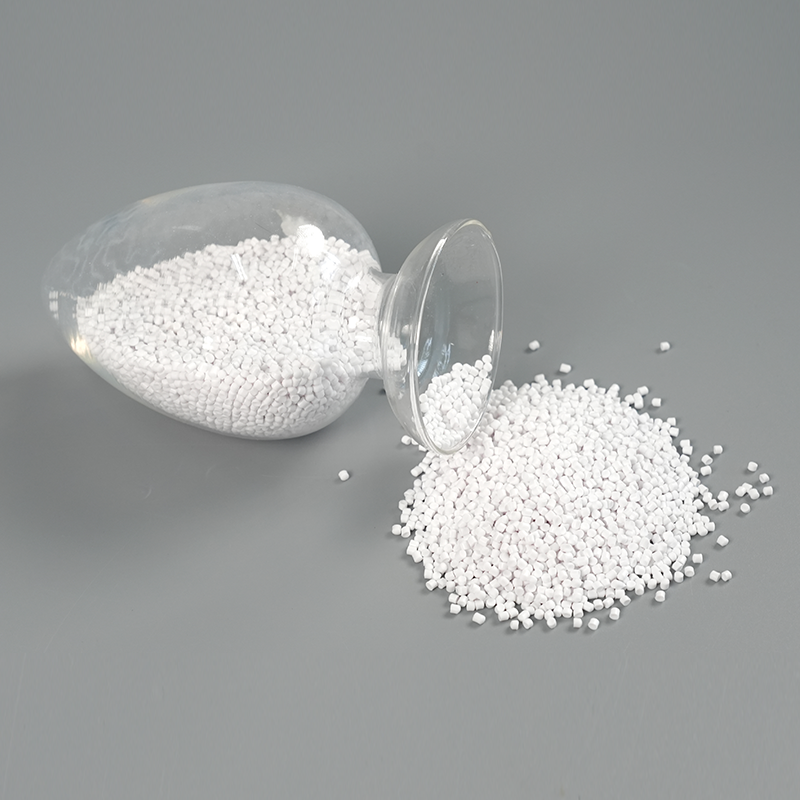
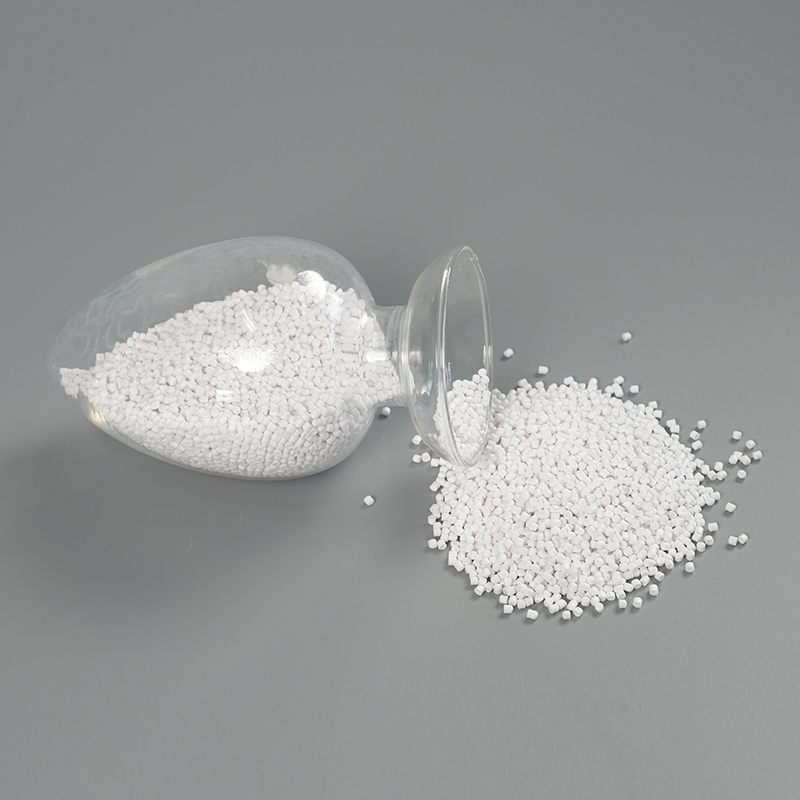
Silane Cross-linked LSZH Flame Retardant Insulation for Construction Engineering (Class B1/B2) Factory and
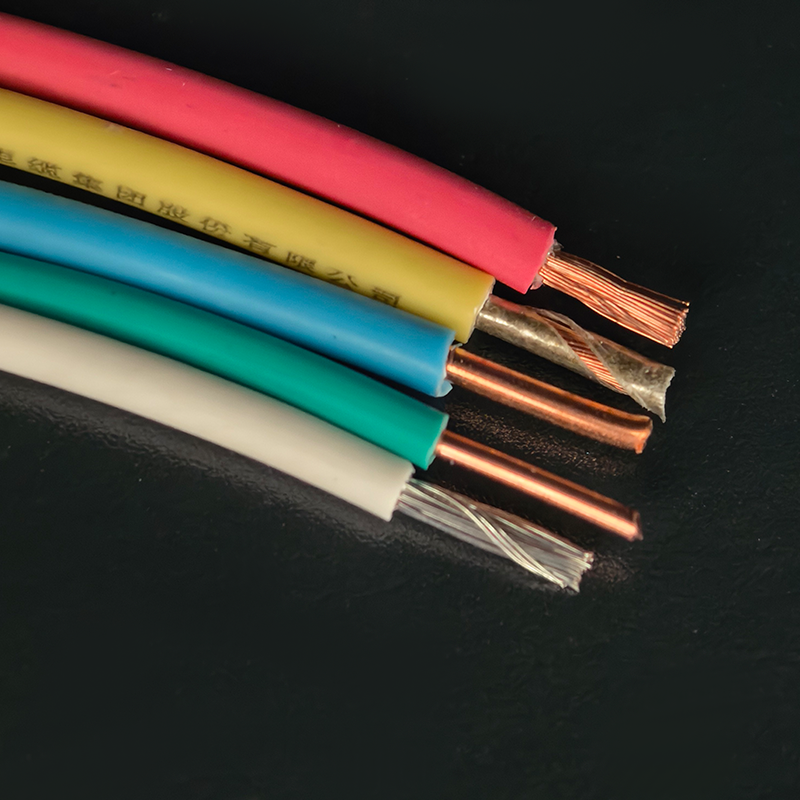
Silane Cross-linked LSZH Flame Retardant Insulation for Construction Engineering (Class B1/B2) Manufacturers, located in Nantong City, Jiangsu Province, a place of picturesque scenery. We specialize in the R&D, production, and sales of polyolefin cable compounds.
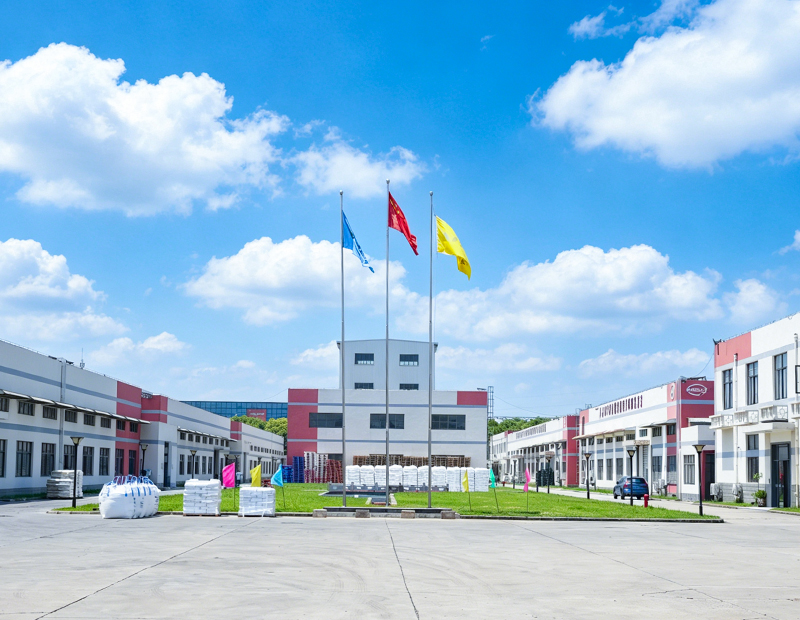
Since its establishment, the company has adhered to the philosophy of "People-oriented, Technology-driven Innovation". Backed by an over 3,000-square-meter R&D center at the headquarters, R&D equipment worth more than 35 million RMB, and a 30-plus professional R&D team (including 5 doctors, 3 recipients of Jiangsu Provincial "Double Innovation" Talents, and 2 recipients of Nantong "Jianghai Talents"), we keep increasing investment in research and development and have built a sophisticated and comprehensive R&D system.
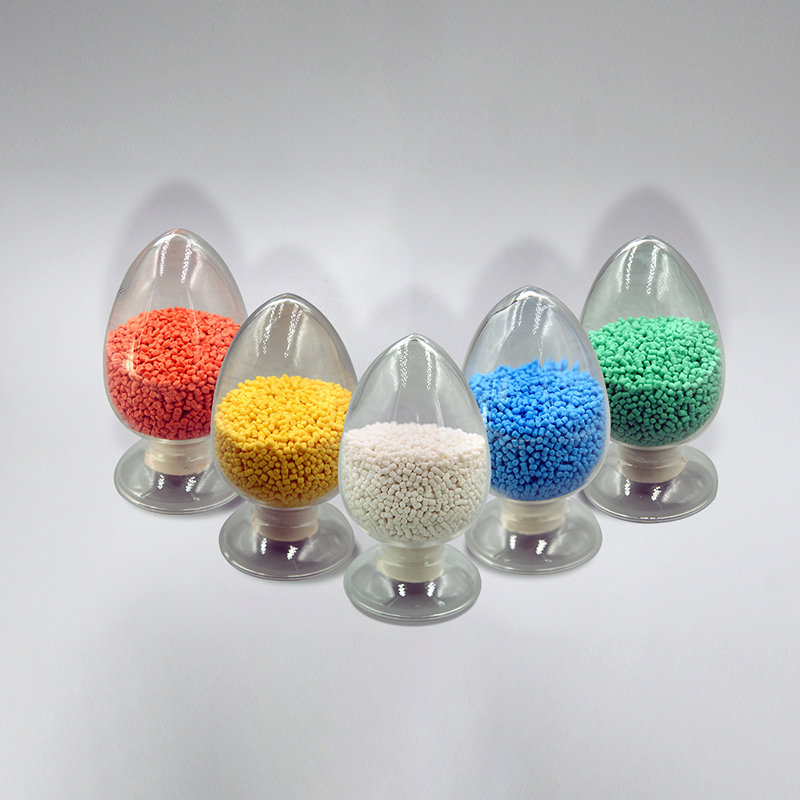
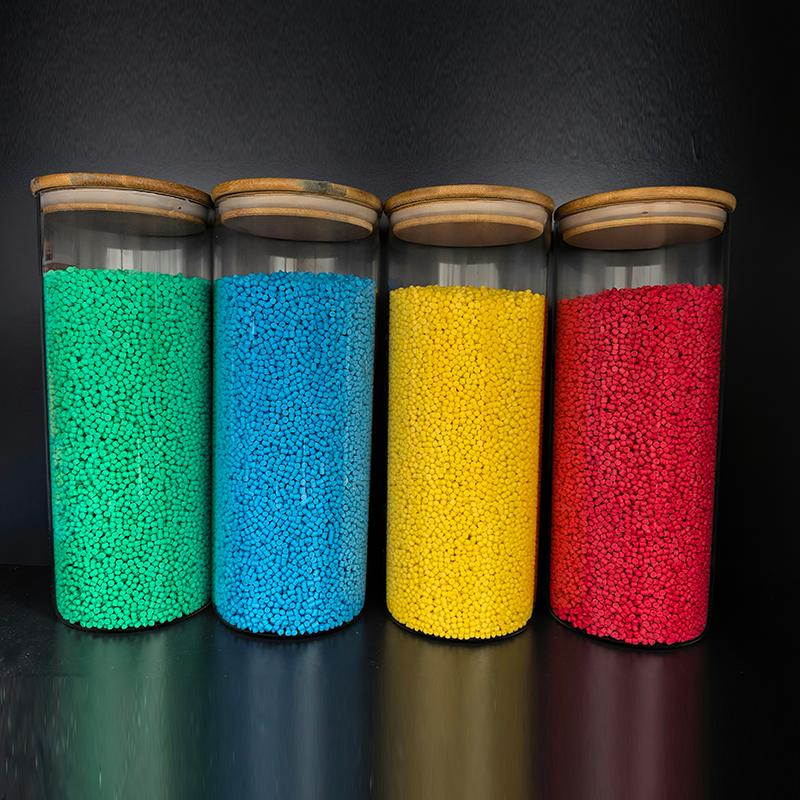
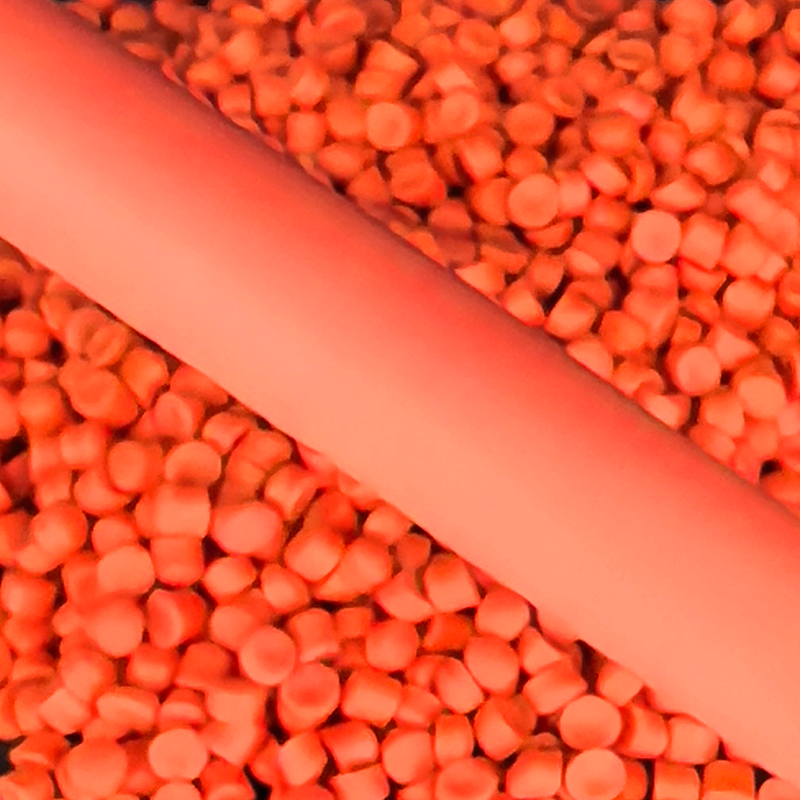
The company operates two production bases covering a total area of over 15,000 square meters, equipped with more than 10 production lines for polyolefin cable compounds. Our product portfolio consists of 8 major categories and over 50 varieties, including UV-crosslinked low-smoke halogen-free flame-retardant insulating compounds, silane self-crosslinked low-smoke halogen-free flame-retardant insulating compounds, accelerator irradiation crosslinked low-smoke halogen-free flame-retardant insulating compounds, thermoplastic low-smoke halogen-free flame-retardant insulating compounds, thermoplastic low-smoke halogen-free flame-retardant sheath compounds, flame-retardant polyethylene sheath compounds, UV-crosslinked polyethylene insulating compounds, and modified polyethylene sheath compounds. Our products are widely applied in power, communication, locomotive, photovoltaic, new energy power generation, rail transit, marine cables, and other fields.
Jiangsu Duoshang New Material Technology Co., Ltd. is committed to building a world-class national enterprise with high-quality products.

 English
 Français
 Español
 русский
 عربى
عربى